
Colm Murphy ‘sat like a spider at centre of web’ in Omagh bombing plot, inquiry told
The Omagh Bombing Inquiry has been told that dissident republican Colm Murphy “sat like a spider at the centre of the web” of the plot which led to the 1998 atrocity.
Paul Greaney KC, lead counsel to the inquiry, made the statement as detailed factual hearings began at Bradford Court in Belfast on Monday.
Setting out what he described as the inquiry legal team’s “working hypothesis”, Greaney outlined evidence concerning the planning of the Real IRA attack and the theft and preparation of the car subsequently used to transport the bomb into Omagh.
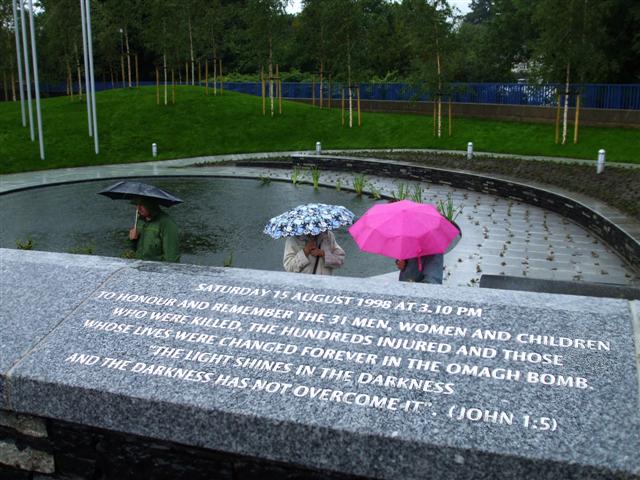
The bombing on 15 August 1998 killed 29 people, including a woman pregnant with twins, and injured hundreds more.
The public inquiry, chaired by Lord Turnbull, was established to examine whether the bombing could reasonably have been prevented by UK authorities.
Omagh Bombing Inquiry hears details of alleged plot
Greaney told the inquiry that, by 12 August 1998 at the latest, a plan was in place to steal a car which would be used to transport a bomb.
He said a particular type of vehicle had been identified for that purpose — a Vauxhall Cavalier.
A Cavalier was subsequently stolen from Carrickmacross in County Monaghan during the early hours of 13 August.
The inquiry heard that witness evidence suggested three other Vauxhall Cavaliers in the same street or nearby may also have been interfered with that night.
Greaney said the vehicle ultimately used had effectively been stolen “to order”.
The car was then taken to Dundalk, which Greaney described as the home town and operational base of a number of people identified by the inquiry legal team as key individuals in this part of its investigation.
Colm Murphy described as central figure
Greaney identified Colm Murphy as a central figure in the inquiry legal team’s current assessment of the plot.
Murphy, who died in 2023, was previously found liable for the Omagh bombing in civil proceedings.
Greaney told the hearing:
“The evidence suggests that Colm Murphy sat like a spider at the centre of the web of the plan to detonate a bomb in Omagh.”
The inquiry was told that the Real IRA had admitted responsibility for the bombing and that the inquiry legal team assesses the dissident republican organisation as having played a key role in the attack.
Greaney described those allegedly involved in the plot as experienced terrorists who were engaged in a wider campaign of violence and were motivated by a desire to avoid detection.
False number plates fitted to stolen car
The inquiry heard that false number plates were fitted to the stolen Vauxhall Cavalier shortly after it was taken.
Greaney explained that using cloned registration plates on stolen vehicles was a tactic associated with dissident republican attacks during the late 1990s.
The technique involved using the registration details of a legitimate vehicle of a similar make, model and appearance.
That meant a stolen vehicle carrying a bomb would be less likely to be identified as stolen if its registration was checked by police.
The inquiry was told the Cavalier was subsequently made available to Seamus Daly, ready for a bomb to be loaded into it.
Daly was previously among those found liable for the bombing in civil proceedings.
Inquiry hears of scout car
Greaney also addressed how the bomb was allegedly transported into Omagh on the day of the attack.
He said there were “sound reasons” for the inquiry legal team to believe that Daly was travelling in a scout car which led the bomb vehicle into the town on 15 August.
The inquiry legal team believes Séamus McKenna, who has since died, was travelling in the vehicle containing the bomb.
The hearing was told there were practical reasons for using two vehicles, including providing those involved with a means of leaving the area quickly.
These details form part of the inquiry legal team’s working assessment and are not findings of criminal or civil liability.
Five weeks of detailed evidence begin in Belfast
Monday’s hearing marked the beginning of Chapter Three of the Omagh Bombing Inquiry and a significant new stage in its work.
It is the first phase of the inquiry to hear detailed factual evidence about the circumstances surrounding the bombing.
Chapter Three is intended to establish, using available evidence, how the bombing was carried out and who may have been involved.
Evidence will examine the construction of the bomb, movements of the bomb car, warning calls, telephone use, forensic evidence, claims of responsibility, arrests and subsequent court proceedings.
The hearings at Bradford Court are expected to last at least five weeks, normally sitting from Monday to Thursday.
This week’s hearings will concentrate on introductory evidence and events between 12 and 14 August 1998, including the theft of the bomb car.
Later in the proceedings, evidence will examine the movements of the bomb and scout cars on 15 August, the warning calls, the explosion and its immediate aftermath, subsequent investigations and key individuals who may have been involved.
Families hope inquiry will deliver truth
Michael Gallagher, whose son Aiden was killed in the bombing, said ahead of Monday’s hearing that examining the final days before the attack would be difficult but “hugely important”.
He highlighted the cross-border nature of the crime and welcomed co-operation from An Garda Síochána with the inquiry.
Claire Hayes, whose brother Alan Radford was killed, described this stage as a pivotal point in the inquiry process.
The inquiry is expected to hear a pre-recorded statement from a senior Garda officer later this week concerning the theft of the car used in the bombing.
Although Chapter Three will examine evidence about individuals who may have been involved, the inquiry has explicitly stated that it will not make findings during this chapter about who perpetrated the bombing.
Under the Inquiries Act 2005, the statutory inquiry is also unable to determine civil or criminal liability.