Stormont to resume debates on controversial flags and conversion practices Bills
Two potentially significant and controversial pieces of legislation concerning the display of flags and so-called conversion practices are returning to the Northern Ireland Assembly as MLAs resume business left unfinished last week.
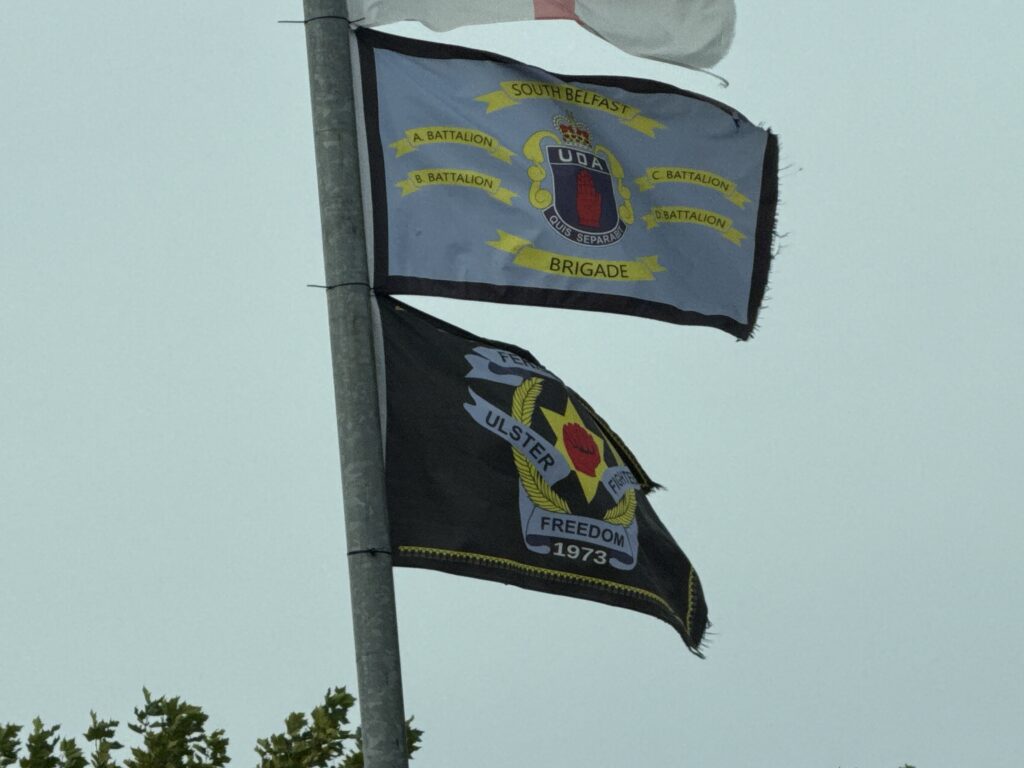
The Stormont flags and conversion practices Bills are among the private members’ legislation before MLAs on Tuesday, 22 September, following lengthy debates which were not completed during the Assembly sitting on 15 September.
The Display of Flags and Emblems Bill, brought forward by Alliance MLA Paula Bradshaw, would give the Department for Infrastructure new responsibilities for removing certain flags and emblems from public street furniture.
A separate Conversion Practices (Criminalisation) Bill, introduced by Alliance deputy leader Eóin Tennyson, proposes new criminal offences relating to practices intended to change or suppress a person’s sexual orientation or gender identity.
Both Bills remain at Second Stage — the point at which MLAs debate the general principles of proposed legislation before deciding whether it should proceed for more detailed scrutiny.
Stormont flags and conversion practices Bills return
The Assembly’s official Order Paper lists the continuation of the Second Stage of the Display of Flags and Emblems Bill among today’s business.
It also states that MLAs will consider business which was not concluded during the sitting on Tuesday, 15 September. The Assembly’s Today’s Business service lists both the Display of Flags and Emblems Bill and Conversion Practices (Criminalisation) Bill for 22 September.
The Flags Bill is particularly relevant to Belfast, where the display of flags on lampposts and other public infrastructure has long generated debate over cultural expression, community identity, intimidation and the use of shared spaces.
What would the Flags and Emblems Bill do?
Under Ms Bradshaw’s proposals, the Department for Infrastructure would be required to remove a flag or emblem attached to public street furniture where it considered removal to be in the public interest under criteria set out in the legislation.
That includes flags or emblems considered intimidatory or threatening, likely to stir up hatred or arouse fear, or which invite support for or represent a proscribed organisation.
There would also be a presumption in favour of removal in some other circumstances, including where a display was considered offensive, abusive or insulting, represented a public hazard, or was displayed near a “sensitive place” in circumstances considered antagonistic or damaging to good community relations.
Public street furniture covered by the Bill would include lampposts, bus shelters, trees, bins, street signs, bollards, railings and fences.
The proposals would also require DfI to establish an online system through which people could notify the Department about flags or emblems and submit their views.
A statutory code of practice would be developed following consultation with bodies including the PSNI, Human Rights Commission, Equality Commission, Community Relations Council, Housing Executive and district councils.
The Bill would make deliberately obstructing DfI, or someone acting on its behalf, while removing a flag or emblem an offence punishable by a fine.
Significantly, the principal removal provisions would not take effect immediately if the legislation eventually becomes law. The Bill as introduced specifies 1 January 2029 for sections covering the removal duty and associated enforcement provisions to come into operation.
Opposition to flags proposals
The proposals are politically contentious and have faced opposition from unionist representatives.
Critics have questioned whether responsibility for determining which flags should be removed should rest with DfI and have raised concerns about how subjective criteria contained within the legislation could be applied in practice.
The Bill’s explanatory memorandum acknowledges that some assessments would be “fact-specific and subjective”, while its sponsor argues legislation is needed to establish clearer principles governing when displays are not in the public interest.
If the Bill clears Second Stage, it can proceed to detailed scrutiny by the Assembly’s Infrastructure Committee.
Read the Display of Flags and Emblems Bill
Conversion practices legislation also before MLAs
The second contentious proposal concerns practices intended to change or suppress sexual orientation or gender identity.
Mr Tennyson’s Conversion Practices (Criminalisation) Bill proposes a legal framework prohibiting such practices, including certain coercive behaviour and arrangements to remove a person from Northern Ireland for the purpose of subjecting them to conversion practices.
Supporters argue specific legislation is required to protect LGBT+ people from harmful and coercive practices and address gaps in existing law.
Opponents have raised concerns about the scope of the legislation, including its potential implications for freedom of expression, religious practice and conversations between parents and children. During the opening Second Stage debate last week, unionist MLAs also questioned whether some of the conduct highlighted was already covered by existing criminal law.
Public consultation remains open
The Assembly’s Committee for Communities has already opened a call for evidence on the Conversion Practices Bill in anticipation of it reaching Committee Stage.
Members of the public and interested organisations can submit their views on its objectives, proposals and potential consequences, with the consultation scheduled to close on 1 October 2026.
Assembly information on the Conversion Practices Bill
Neither Bill becoming the subject of a Second Stage debate means it has become law. If MLAs agree that a Bill should proceed, it moves into Committee Stage for detailed examination before potentially returning to the Assembly for further consideration, amendment and subsequent votes.
The Belfast Desk will update this story following the outcome of today’s proceedings.