
Drumcree parade blocked as Secretary of State intervenes following PSNI warning
The Drumcree parade blocked by Northern Ireland Secretary Sir Chris Bryant has sparked sharply divided political reactions after PSNI Chief Constable Jon Boutcher warned of serious risks to public safety.

The decision, announced on Friday 9 October, prevents the disputed Orange Order procession along the Garvaghy Road in Portadown from proceeding under the Parades Commission’s original determination.
The decision, announced on Friday 9 October, follows almost two weeks of tensions between members of the Orange Order and residents opposed to the procession.
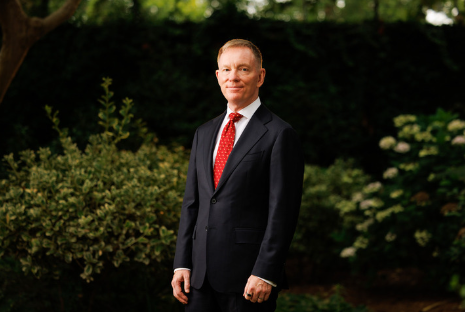
Sir Chris made an order under Section 11 of the Public Processions (Northern Ireland) Act 1998 after reviewing the determination at the request of the Chief Constable.
The announcement has been welcomed by nationalist and cross-community parties, while unionist representatives have criticised the decision and raised concerns about its implications for the rule of law.
Drumcree parade blocked following PSNI safety warning
The Parades Commission had previously permitted a restricted procession involving 35 Orangemen along the Garvaghy Road on Sunday 27 September, without bands or supporters.
However, the march did not proceed amid protests by residents opposed to the route.
In his statement, Sir Chris said the circumstances surrounding the original determination had changed significantly.
The Chief Constable had advised that facilitating the procession would require a major policing intervention, carrying an unacceptable risk of serious injury, disorder and wider unrest across Northern Ireland.
Sir Chris concluded that the procession could not proceed as originally determined.
He acknowledged that the Orange Order had received a lawful determination from the Parades Commission and thanked Portadown District LOL No 1 for its peaceful conduct and cooperation with police.
The Secretary of State also called for protests, rallies and demonstrations to end, saying the focus should now turn towards rebuilding relationships in Portadown.
PSNI Chief Constable explains intervention
Chief Constable Jon Boutcher confirmed that he had requested a review under Section 9 of the Public Processions (Northern Ireland) Act 1998.
He said police had exhausted the available lawful and proportionate options for facilitating the procession.
According to the Chief Constable, the remaining options would have involved a substantial public order operation with unacceptable risks of serious injury and disorder.
He also highlighted the financial and operational pressures on the PSNI during the prolonged stand-off, warning that the costs could not continue indefinitely.
Mr Boutcher welcomed the Secretary of State’s decision and expressed hope that it would create space for dialogue and longer-term solutions.
Sinn Féin welcomes decision
First Minister Michelle O’Neill and Sinn Féin president Mary Lou McDonald welcomed the intervention, saying it would bring considerable relief to residents of the Garvaghy Road.
In a joint statement, they praised the community’s resilience throughout the dispute and said residents had endured unnecessary fear and anxiety.
Ms O’Neill subsequently said the decision was the correct one but should have been taken earlier.
Sinn Féin called for residents to be given time and space to recover from the tensions of the previous fortnight.
DUP criticises impact on rule of law
DUP leader Gavin Robinson strongly criticised the decision, arguing that the original lawful determination had been undermined by protests and the threat of disorder.
He accused the authorities of allowing pressure on the streets to determine whether a permitted procession could proceed.
Mr Robinson warned that the outcome would damage confidence in the parading framework and called on the Secretary of State to explain how confidence in the rule of law would be restored.
Deputy First Minister Emma Little-Pengelly also criticised the decision and Sinn Féin’s handling of the dispute.
She expressed concern about what she regarded as disrespect towards unionist traditions and culture.
SDLP says parade should never have been approved
SDLP leader Claire Hanna welcomed the decision but said it should have been taken two weeks earlier.
She argued that the procession should not have been authorised along the Garvaghy Road in the first place.
Ms Hanna said the dispute had caused unnecessary disruption to residents, placed significant pressure on policing resources and damaged community relations.
She called for efforts to repair the relationships affected by the stand-off.
Alliance calls for reconciliation
Alliance Deputy Leader and Upper Bann MLA Eóin Tennyson welcomed the Secretary of State’s intervention.
In a statement issued on Friday evening, he called for an end to the stand-off and for political and community leaders to focus on reconciliation.
Mr Tennyson said the dispute had reopened painful memories and damaged relationships between communities.
He urged those involved to use the opportunity to move away from confrontation and towards constructive dialogue.
Ulster Unionists and TUV raise concerns over parading
The Ulster Unionist Party had previously supported the Parades Commission’s decision to permit a restricted procession, arguing that the determination should be respected.
UUP leader Jon Burrows had emphasised that all parties should act peacefully and lawfully, while calling for dialogue and mutual respect as the route towards a lasting settlement.
A separate, verified UUP response to the Secretary of State’s final ruling was not available at the time of writing.
The Traditional Unionist Voice had also supported the Orange Order’s position during the dispute and criticised the handling of the procession.
TUV leader Jim Allister had accused the authorities of failing to uphold the original determination. His party’s position reflected wider unionist concerns about whether lawful parades could be prevented by protests.
People Before Profit praises residents
People Before Profit welcomed the Secretary of State’s decision in a statement issued on Friday evening.
The party credited residents of the Garvaghy Road and their supporters for maintaining opposition to the procession.
It described the outcome as a result of community mobilisation and supported the decision to prevent the march from proceeding along the disputed route.
Orange Order expresses anger
Portadown District LOL No 1 criticised the Secretary of State’s intervention, arguing that the original Parades Commission determination should have been upheld.
The district expressed disappointment that the lawful authorisation had not resulted in the procession being facilitated.
The Orange Order has maintained that its members acted peacefully and within the law throughout the dispute.
Focus turns to rebuilding community relations
The Drumcree dispute has been one of Northern Ireland’s most contentious parading issues for decades.
The Garvaghy Road route has been at the centre of tensions since the 1990s, with disagreements over the rights of marchers and the concerns of residents.
The latest dispute began after the Parades Commission authorised a restricted procession along the route for the first time in 28 years.
The Secretary of State’s intervention means the parade cannot proceed under that original determination.
With the Drumcree parade blocked under the original determination, attention is now turning towards reducing tensions, ending protests and rebuilding trust between communities in Portadown.
Related news: PSNI Drumcree investigation enters new phase as individuals to receive letters
External link: Northern Ireland Office – Secretary of State’s official statement, 9 October 2026