
New driving licence rules come into force across Northern Ireland from 01 October
Major changes to the rules for learner and newly qualified drivers will come into force across Northern Ireland from Thursday, as the new Graduated Driver Licensing scheme is introduced.
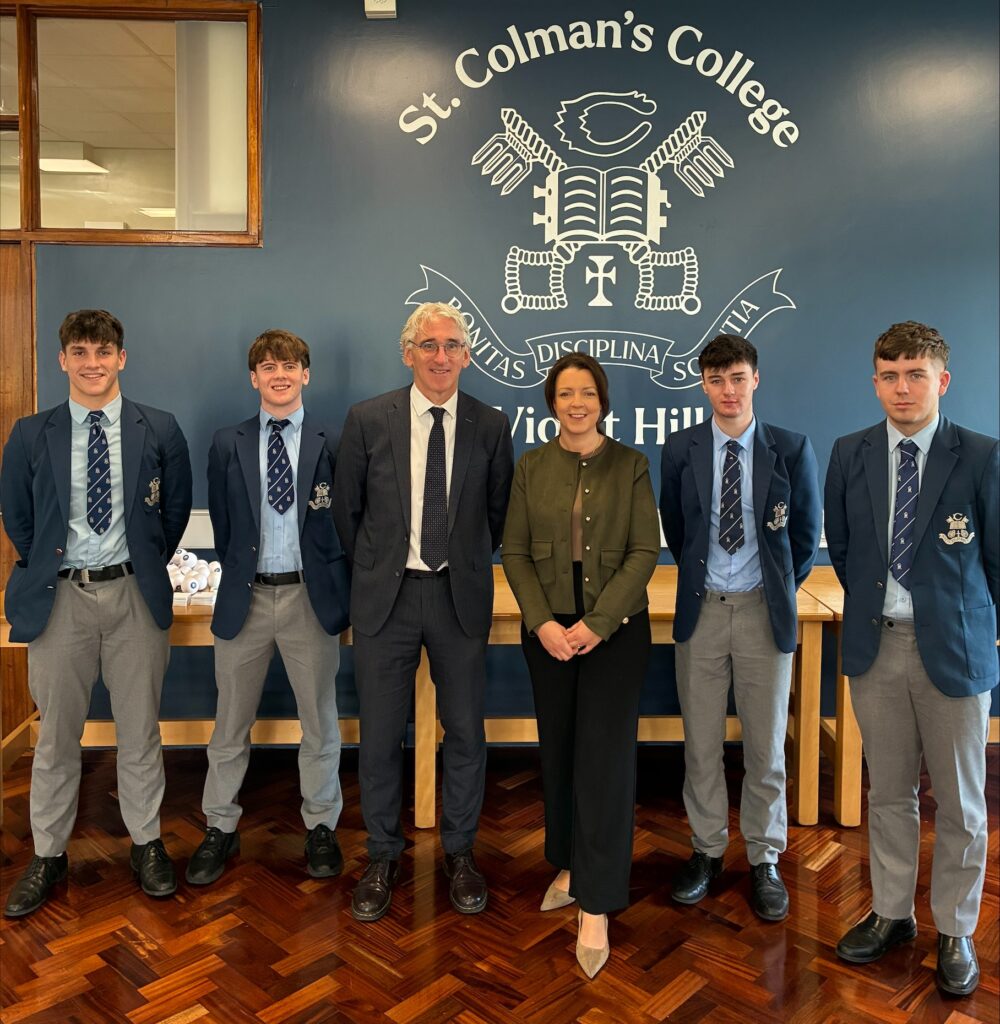
The reforms, described by Infrastructure Minister Liz Kimmins as among the most significant changes to driver licensing and testing in almost 70 years, will introduce a mandatory learning period, compulsory training and logbooks and new restrictions for recently qualified drivers.
The scheme will apply to learners of all ages whose provisional entitlement to drive a category B car begins on or after 1 October 2026. It will also apply to learner motorcycle riders.
Six-month minimum learning period introduced
Under the new Graduated Driver Licensing system, learner car drivers will be required to complete a minimum six-month learning period before progressing through the licensing process.
A new Programme of Training and compulsory learner logbook will also be introduced.
The Department for Infrastructure says the changes are intended to ensure new drivers are not only technically competent but are better prepared for driving independently after passing their test.
The six-month minimum learning period will not apply to motorcyclists.
45mph restriction removed
One of the most noticeable changes will be the removal of Northern Ireland’s existing 45mph speed restriction for learner and newly qualified drivers.
Under the new system, learners and newly qualified drivers will no longer automatically be restricted to 45mph.
However, newly qualified drivers will face other restrictions during an extended two-year new-driver period.
Night-time passenger restrictions for younger drivers
New drivers aged under 24 will face restrictions on carrying passengers between 11pm and 6am.
The measure forms part of the Government’s efforts to reduce the disproportionate involvement of new and primarily younger drivers in fatal and serious road traffic collisions.
The passenger restriction will not apply to motorcyclists.
The existing 12-month restricted-driver period will meanwhile be extended to a 24-month new driver or motorcycle rider period.
New R plates required for two years
Drivers will also be required to display a new-style R plate on their vehicle for two years after obtaining a full driving licence.
The requirement will also apply to newly qualified motorcycle riders.
The reforms form part of a wider Road Safety Strategy Action Plan developed with emergency services, government departments and other agencies.
What happens if you are already learning?
Drivers who are already learning when the new rules take effect will be given a transitional period.
Existing learners will have until 31 March 2027 to complete their learning and pass their practical driving test under the existing arrangements.
From 1 April 2027, all remaining learners will become subject to the Graduated Driver Licensing system and its post-test requirements.
Kimmins said road safety was a significant priority for her department and that the changes were intended to reduce the risks faced by new drivers and motorcycle riders.
Further information: Graduated Driver Licensing – nidirect
Previous related story: New driving test rules coming to Northern Ireland from October