
Breast cancer inequalities revealed in major Queen’s University Belfast research
Breast Cancer Inequalities: New research from Queen’s University Belfast has revealed significant inequalities in breast cancer diagnosis and survival across Northern Ireland, with women living in lower-value homes facing a greater risk of advanced disease and poorer outcomes.
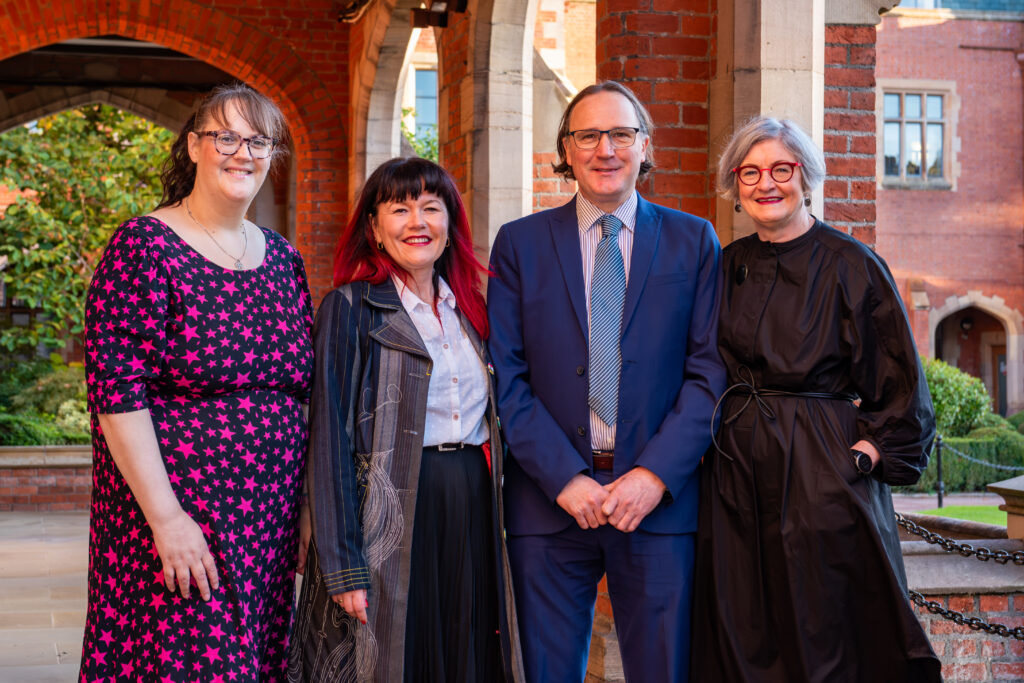
The findings are being highlighted by the Northern Ireland Cancer Registry (NICR) as part of Breast Cancer Awareness Month, with patients, researchers and medical experts gathering at Queen’s University Belfast on Friday (9 October) to discuss the latest evidence.
One study involving 12,766 women diagnosed with breast cancer found that 7.5% of those living in the lowest-value homes were diagnosed with Stage 4 disease, compared with 4.1% of women living in the highest-value properties.
The research also found that 16% of women in the lowest-value homes died from breast cancer within five years of diagnosis, compared with 9% in the highest-value homes.
Breast cancer inequalities linked to socioeconomic circumstances
The research, funded by Breast Cancer Now and carried out by researchers at Queen’s University Belfast and the Northern Ireland Cancer Registry, examined how socioeconomic circumstances, mental health and access to healthcare services relate to breast cancer outcomes.
Researchers found that house value had a stronger association with breast cancer outcomes than traditional area-based measures of deprivation.
The findings suggest that individual socioeconomic circumstances may provide important additional information when identifying patients who could benefit from greater support.
A separate study involving 13,846 women examined the relationship between prescribed mental health medication and breast cancer outcomes.
It found that women prescribed antipsychotic medication before their diagnosis were not more likely to be diagnosed with Stage 4 disease, but had poorer breast cancer survival.
Researchers suggested that patients in this group may benefit from additional support throughout their cancer care.
Survey highlights financial pressures and lack of awareness
An online survey involving more than 1,000 Northern Ireland residents with breast cancer also identified differences in symptom awareness and financial difficulties.
Preliminary findings showed that 17% of respondents educated to secondary school level reported a lack of awareness of breast cancer symptoms, compared with 6% of those educated to university level.
The survey also found that:
- 16% had delayed seeking medical advice about a breast concern.
- 9% had been unaware of breast cancer signs and symptoms before diagnosis.
- 15% experienced financial difficulties accessing screening, diagnosis or treatment.
- Financial difficulties were reported by 17% of respondents with household incomes below £31,000, compared with 11% of those earning more than £52,000.
The findings highlight the importance of improving awareness and understanding the financial pressures faced by people undergoing cancer diagnosis and treatment.
£383,600 research project to examine advanced breast cancer
A new £383,600 research project funded by Breast Cancer Now will investigate inequalities affecting people living with metastatic breast cancer in Northern Ireland.
Metastatic breast cancer, also known as Stage 4 or secondary breast cancer, occurs when the disease spreads to other parts of the body.
The project will examine inequalities in diagnosis, treatment, care and access to support services.
Dr Damien Bennett, Director of the Northern Ireland Cancer Registry at Queen’s University Belfast, said previous research supported by Cancer Focus had estimated that approximately 1,000 people were living with metastatic breast cancer in Northern Ireland.
He explained that Northern Ireland had been among the first places internationally to produce estimates of the number of people living with metastatic breast cancer, as cancer registries do not routinely record this information.
The new project will build on that work, with researchers seeking to improve understanding of inequalities affecting people with advanced disease.
Patients share experiences at Queen’s University Belfast
The Breast Cancer Information Day, hosted in the Canada Room at Queen’s University Belfast, brings together patients, clinicians, researchers, funders and medical experts.
Breast cancer patients Joanna Bingham, Kasia Garbal and Ann McBrien are among those sharing their personal experiences.
Specialist Breast Care Nurse Siobhan O’Neill, from the Belfast Health and Social Care Trust, is also contributing to discussions about patient care.
Other speakers include Northern Ireland Chief Medical Officer Professor Sir Michael McBride, Director of Public Health Dr Joanne McClean and consultant breast surgeon Gareth Irwin.
The event is intended to strengthen understanding of how breast cancer affects people across Northern Ireland and how research can help improve future services.
Research examines access to healthcare and COVID-19 impact
Another study involving 13,629 women found no evidence that longer travel times to GPs or cancer treatment centres were associated with more advanced breast cancer at diagnosis or poorer survival.
Researchers said the findings were reassuring for patients living further from healthcare facilities.
Separate research into the impact of the COVID-19 pandemic found no significant adverse effect on survival among women diagnosed during the pandemic, despite major changes to breast cancer services.
However, researchers emphasised the importance of maintaining psychological and social support and clear communication with patients.
The Northern Ireland Cancer Registry, based within the Centre for Public Health at Queen’s University Belfast and funded by the Public Health Agency, produces official cancer statistics and supports research aimed at improving outcomes for patients across Northern Ireland.
External links:
- Northern Ireland Cancer Registry – Queen’s University Belfast
- Published research on house values and breast cancer survival
- Breast Cancer Now – Research into health inequalities
Related news: More than seven in 10 cancer patients miss 62-day treatment target in Northern Ireland