
New driving test rules coming to Northern Ireland from October
Northern Ireland driving test rules changes will see the biggest overhaul of its driver licensing and testing system in almost 70 years, with new rules for learner and newly qualified drivers beginning on 1 October 2026.
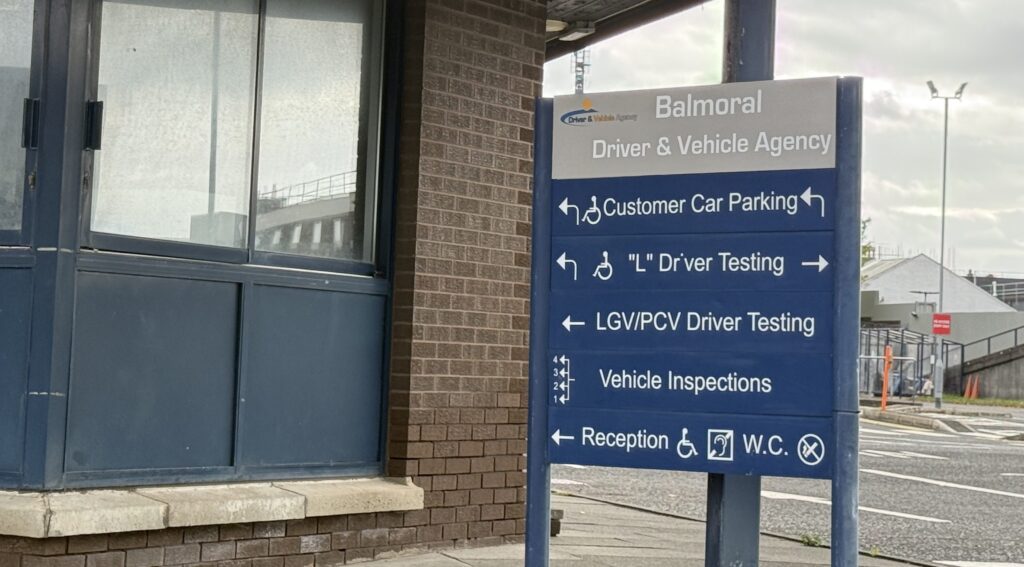
The new Graduated Driver Licensing system will change how people learn to drive, how long they must spend learning before taking a test and the restrictions that apply once they pass.
The Department for Infrastructure says the changes are intended to reduce the disproportionate number of young and inexperienced motorists involved in serious and fatal collisions.
Six-month minimum before driving test
Under the new system, learners whose Category B car provisional entitlement begins on or after 1 October 2026 will be required to complete a minimum six-month learning period before they can take their practical driving test.
They will also have to complete a structured programme of training and record their progress through a new logbook.
For car drivers, the programme contains 14 mandatory modules and one optional motorway-driving module. A new online Graduated Driver Licensing account will cost £17.
Learners will also be allowed to drive on motorways while accompanied by an approved driving instructor — a significant change from the current system.
New R plates and two-year restriction period
The rules will also change considerably once a driver has passed their test.
Newly qualified drivers under the scheme will have to display an R plate for two years, rather than the current 12 months.
During the first six months, drivers will display a blue R on a white background, with additional restrictions applying to some younger motorists.
For the remaining 18 months, a white R on a blue background will be displayed.
Unlike the existing system, the new scheme will not impose a blanket 45mph speed limit on newly qualified drivers. They will instead be able to drive at the normal posted speed limit.
Night-time and passenger restrictions
For newly qualified drivers aged under 24, additional protections will apply during the first six months after passing.
These include night-time provisions and age-related passenger restrictions, although exemptions will apply for immediate family members.
The Department says young drivers are disproportionately represented in the most serious road collisions. When the advertising campaign for the changes was launched, Infrastructure Minister Liz Kimmins said drivers in the targeted age group accounted for 24% of fatal or serious collisions despite holding only 8% of licences.
What happens to people already learning?
Anyone whose provisional car or motorcycle entitlement began before 1 October 2026 can continue under the present system initially.
Existing learners will be able to take the current practical test up to and including 31 March 2027.
From 1 April 2027, all remaining learners will need to have completed the Graduated Driver Licensing programme and logbook before being able to book their practical test.
There is another important change from October: people holding a GB provisional licence will no longer be able to book or take Category B car or certain motorcycle theory and practical tests in Northern Ireland. Those wishing to take those tests here will need a Northern Ireland provisional licence.
The Department has described Graduated Driver Licensing as the most significant reform of driver licensing and testing in Northern Ireland since the 1950s.