
Queen’s study reveals gaps in young men’s understanding of violence against women
New research from Queen’s University Belfast has revealed that while most young men in Northern Ireland reject violence against women and girls, significant gaps remain in their understanding of emotional abuse, coercive control and harassment.
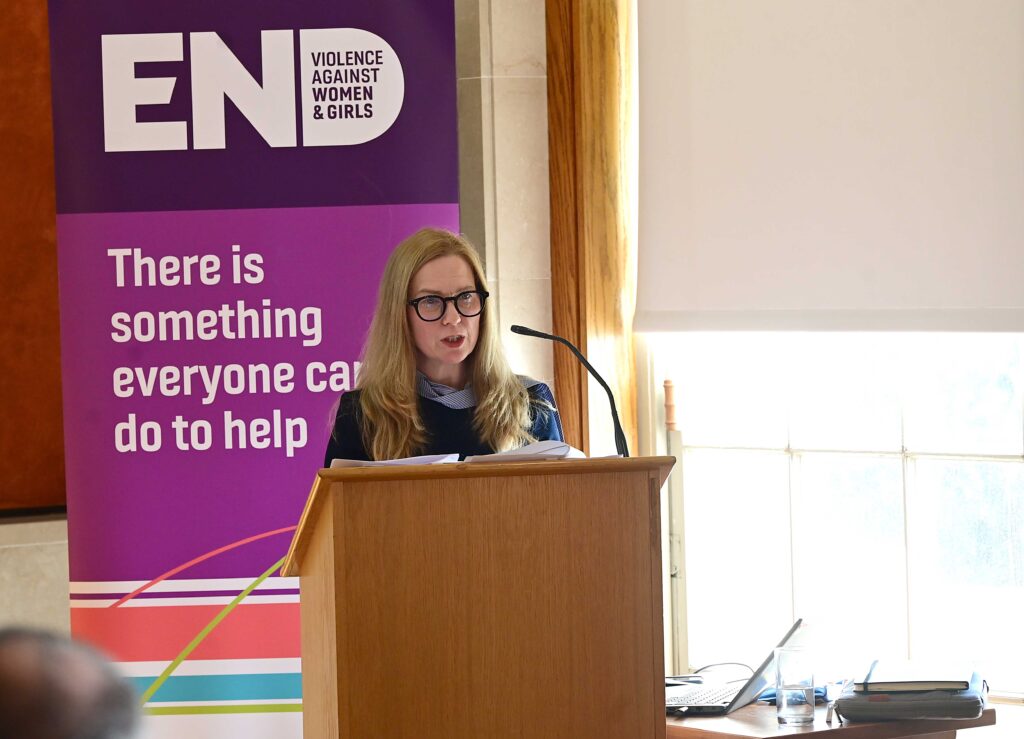
The study, commissioned by The Executive Office, examined how young men and boys understand masculinity, gender equality and their role in preventing violence against women and girls.
Researchers found that the majority of young men expressed positive attitudes towards respect, responsibility and caring for others.
However, traditional expectations surrounding male toughness, financial responsibility and authority continue to influence attitudes among some young men.
Queen’s study finds widespread rejection of physical violence
The research examined the views of young men aged between 16 and 24 across Northern Ireland.
It found that 80% rejected attitudes towards masculinity that reinforce unequal power between men and women.
Fewer than one in ten believed men should have more power than women within marriage.
The study also found that fewer than 5% endorsed violence or rejected women’s sexual autonomy.
Researchers said the findings demonstrated that most young men strongly opposed physical violence against women and girls.
However, they identified areas where further education and discussion could help challenge harmful attitudes.
Traditional expectations of masculinity remain
Despite the generally positive findings, the research revealed that traditional expectations of masculinity remain influential.
Around half of the young men surveyed believed men should always appear strong, even when feeling frightened or nervous.
One in three agreed that men should be the primary financial provider for their families.
The research also found that one in five agreed with the statement that a gay man was not a real man.
Fewer than one in ten believed men should have the final say in decision-making.
Researchers said these findings highlighted the different ways young men understand masculinity and the influence of wider social expectations.
Greater awareness needed around coercive control
One of the study’s most significant findings concerned how young men recognise different forms of violence against women and girls.
While physical violence was overwhelmingly rejected, researchers found that non-physical forms of abuse were not always recognised as harmful.
These included coercive control, emotional abuse and harassment.
Professor Maria Lohan, from Queen’s University’s School of Nursing and Midwifery, said the research demonstrated that boys and young men wanted more opportunities to learn about preventing violence against women and girls.
She explained that young people themselves had identified a need for greater understanding of less visible forms of abuse.
The research team believes schools, youth organisations and trusted adults have an important role in supporting these conversations.
Northern Ireland’s history continues to influence attitudes
The study also examined how Northern Ireland’s history and the legacy of the Troubles have influenced ideas about masculinity.
Researchers found that expectations surrounding toughness, control and male authority remain influential in some communities and institutions.
These attitudes can shape how young men understand their roles within families, relationships and wider society.
However, the research also identified positive attitudes among young men who recognised their responsibility to challenge harmful behaviour.
Participants highlighted the importance of respecting women and girls, challenging inappropriate behaviour among friends and setting positive examples.
Research to support schools and youth organisations
The study was conducted by researchers from Queen’s University’s School of Nursing and Midwifery and School of Social Sciences, Education and Social Work.
It included focus groups and surveys involving young men aged 16–24, interviews with youth workers and coaches, and earlier research involving boys aged 14–16.
The findings will support government efforts to prevent violence against women and girls.
A youth-friendly version of the report has also been developed with input from young people.
It is intended for use in schools and youth settings to encourage discussion about healthy relationships, gender equality and the prevention of abuse.
Researchers hope the findings will help young men recognise their role in creating safer communities for women and girls.
Official university announcement:
Queen’s researchers launch report on masculinities and ending violence against women and girls
Previous story: Belfast groups offered grants of up to £25,000 to tackle violence against women and girls