
Queen’s deer study links early stress hormones to fear of people
A Queen’s deer study has linked stress hormone levels shortly after birth to how young animals respond to repeated encounters with people.
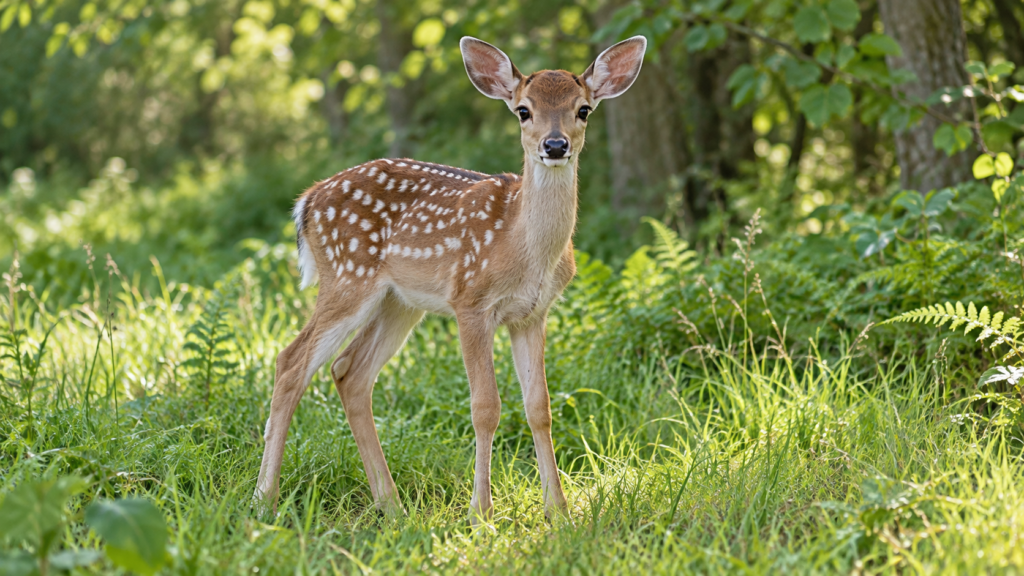
The Belfast researchers studied fallow deer fawns in Dublin’s Phoenix Park, finding that increased exposure to pedestrians was associated with different responses depending on early cortisol levels.
What the Queen’s deer study found
Fawns with lower cortisol became more tolerant of approaching people as pedestrian exposure increased. Those with higher levels became more wary, moving away at greater distances.
Researchers collected hair samples shortly after birth, then followed the animals and recorded their exposure to pedestrians and the distance at which they fled.
Understanding wildlife around people
Dr George Brown said the findings could help explain differences in wildlife responses to human disturbance.
The study, published in Biology Letters on 14 October, identifies an association; it does not establish that cortisol caused the behavioural differences.
External link: Queen’s announcement.
Other news: : Queen’s Belfast joins international research into livestock emissions